
Have you ever felt excited to practice cheer at home but paused because you were not sure if your setup was safe? I have seen that moment of doubt many times, and it matters more than people think. The way you set up your space can shape how well you train and how confident you feel.
From what I have seen, the right cheer equipment for home does more than support your skills. It helps you move with control, avoid injury, and enjoy the process. So let’s walk through what actually makes a home setup work and why each piece matters.
Start Where Every Skill Begins: Your Landing Space
Before anything else, I always look at the surface. If your landing does not feel safe, your movement will hold back.
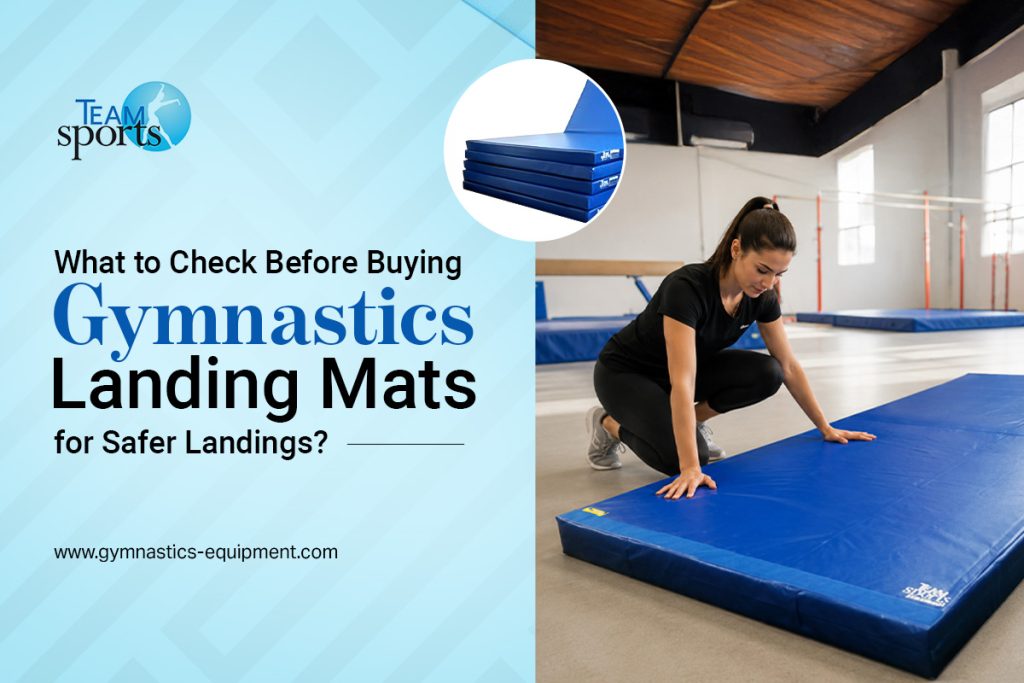
A good mat changes that right away. Something like a carpet bonded foam mat or a rollable mat system gives you a soft but stable base. It absorbs impact and helps you repeat skills without fear.
Once you feel secure when you land, your practice starts to open up. That is when it makes sense to build from the ground up.
Train with Purpose, Not Just Repetition
I often see people repeat moves without real progress. The difference comes when you train with tools that guide your body.
Air barrels and training shapes are a great example. They help you understand positioning during rolls and transitions. Instead of guessing your form, you feel it.
This is where adding the right cheer equipment for home starts to improve how you move, not just how often you practice.
Balance Is Quiet, but It Changes Everything
Balance does not always get attention, yet it affects almost every skill. I have seen small changes here create big results.
A flexible roll-up beam is simple but very effective. It helps you focus on control, foot placement, and steady movement. Pair that with a home training bar, and you also start building strength in your upper body.
At this point, your cheer equipment for home begins to support both control and strength, which makes your practice feel more complete.
Keep Your Energy Up with Smart Additions
Practice should feel active, not repetitive. When energy drops, consistency follows.
Adding tools like spring boards can bring life back into your routine. They help you work on take-off and timing while making drills feel more dynamic. Even small training mats can help you switch between skills with ease.
This mix keeps your cheer equipment for home setup engaging, so you stay committed without forcing it.
Make Your Space Work for You
You do not need a large gym to train well. I have seen strong progress happen in small, well-planned spaces.
Start with a clear area. Place your mat where you can move freely. Add only what you need for your current focus. Too much equipment can limit movement instead of helping it.
When your space feels open and simple, your cheer equipment for home works with you, not against you.
Progress Comes from What You Do Daily
Equipment supports your training, but your routine builds your results. I always come back to this point.
Set a simple plan. Focus on one skill at a time. Keep your sessions short but regular. Over time, your body adapts, and your confidence grows.
That is how your cheer equipment for home becomes part of a steady routine instead of just something you own.
Conclusion
Training at home becomes powerful when your setup supports your goals. Start with safety, add tools that guide your movement, and keep your space simple. Stay consistent, keep your energy up, and your progress will follow in a natural way.
FAQS
How do I know if my home setup is effective?
If you feel stable, safe, and able to repeat skills with control, your setup is working well.
Do I need multiple tools to see improvement?
No, even a few key items can support strong progress when used consistently.
What equipment helps most with body control?
Training shapes like air barrels are very helpful for guiding movement and improving form.
How can I make home practice feel less repetitive?
Add variety with small tools and switch focus between skills to keep sessions engaging.